


-
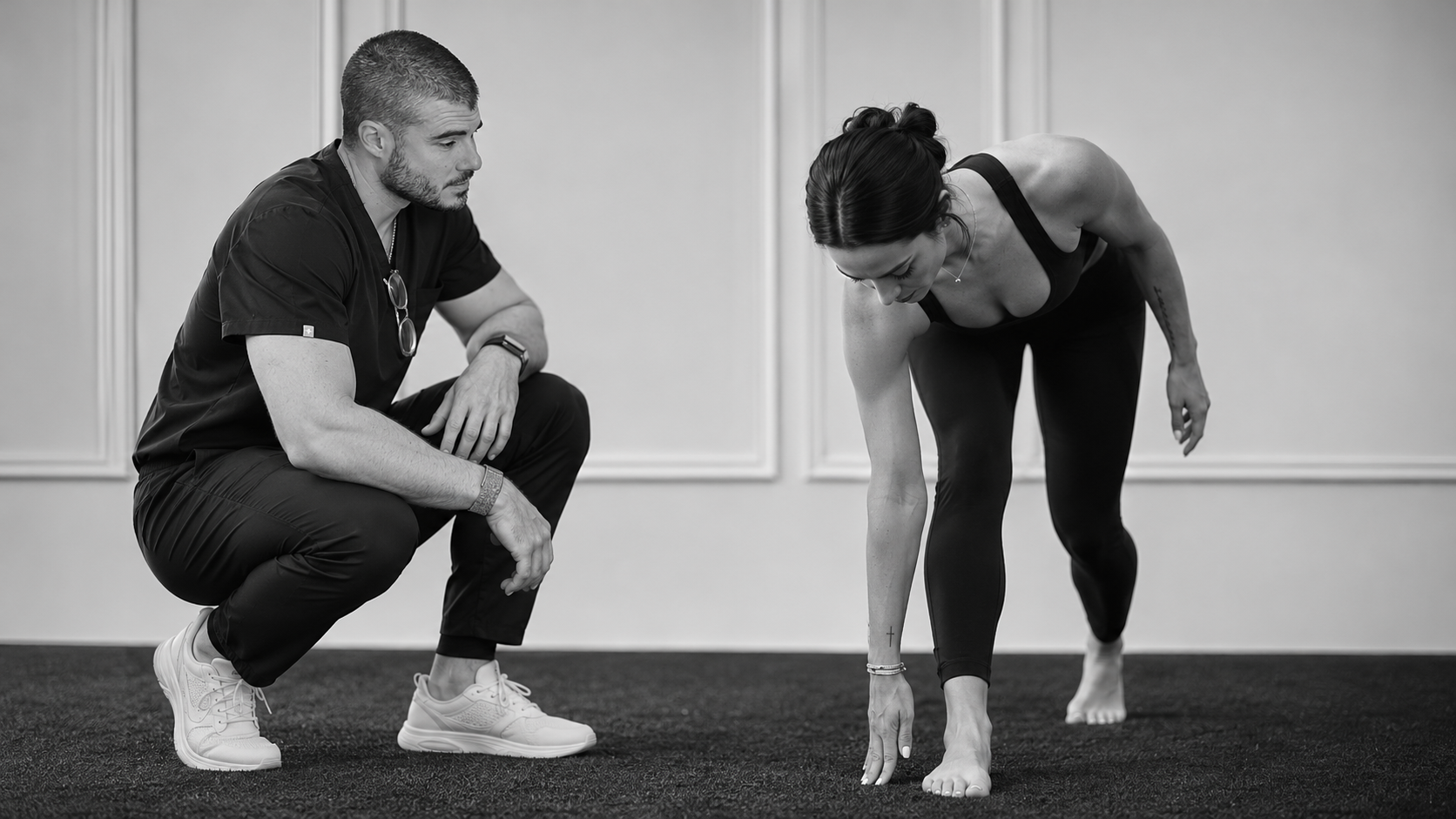
Functional movements are movements based on real-world situational biomechanics. They usually involve multi-planar, multi-joint movements, placing demand on the body's core musculature and innervation. Functional movement practitioners take a comprehensive neuromuscular approach to assessing and managing a patient during rehabilitation and performance training, resulting in higher-quality patient outcomes and improved patient satisfaction.
-
Integrating Functional Movement Systems (FMS) screening and individualized corrective exercise prescription into rehabilitation and training programs provides a more precise, objective, and personalized approach to improving movement health and physical performance. Unlike conventional programs that may focus primarily on symptoms, strength, or fitness outcomes, FMS-informed programming evaluates how an individual moves, identifying underlying mobility restrictions, stability deficits, movement asymmetries, and motor control limitations that might otherwise go unrecognized.
While traditional joint-by-joint assessments provide valuable insights into localized mobility, stability, and structural function, they do not always reveal how these individual components interact during complex, coordinated movement.
An individual may demonstrate adequate range of motion, strength, and stability when joints are assessed in isolation, yet exhibit compensatory movement strategies, inefficient motor control, or functional limitations when performing integrated, multi-joint tasks. FMS complements the joint-by-joint approach by evaluating movement as an interconnected system, revealing how regional limitations and neuromuscular coordination influence whole-body movement quality.
By combining localized clinical assessments with global movement pattern screening, we gain a more comprehensive understanding of physical function, allowing for more targeted corrective exercise prescription, individualized training progression, and informed rehabilitation strategies that address both the individual components and their collective performance.
-
These insights help us make more informed programming decisions, tailor exercises to individual needs, address potential barriers to progress, and monitor meaningful changes over time.
Importantly, effective exercise prescription isn't always about adding more exercises; sometimes it's about recognizing which movements should be temporarily modified, regressed, or removed until an individual develops the foundational mobility, stability, and motor control necessary to perform them effectively.
Continuing to load or repeatedly reinforce dysfunctional movement patterns may perpetuate compensatory strategies, limit training adaptations, or aggravate existing musculoskeletal complaints. By identifying these limitations early, we can strategically adjust exercise selection, address underlying movement deficits through targeted corrective interventions, and progressively reintroduce more demanding movements in an appropriate sequence based on demonstrated improvements in movement competency, load tolerance, and physical capacity.
This approach emphasizes earning progression through movement proficiency rather than advancing solely on strength, endurance, or arbitrary training timelines.
By incorporating movement quality alongside traditional fitness and performance measures, rehabilitation and training programs can deliver more comprehensive, targeted, and adaptable care, helping individuals build a stronger foundation for long-term physical function, resilience, and athletic development.

-
Breathing is more than the exchange of oxygen and carbon dioxide—it is a fundamental regulator of movement, postural stability, motor control, physiological function, and the body's response to stress. Our Functional Breathing Screening & Assessment, informed by the Functional Movement Systems (FMS) multidimensional approach, evaluates three interconnected dimensions of breathing:
Biochemical (respiratory gas regulation),
Biomechanical (diaphragm function, rib cage mobility, and breathing mechanics), and
Psychophysiological (the relationship between breathing, stress, and nervous system regulation).
Dysfunctional breathing patterns may contribute to impaired spinal stability, muscular tension, reduced movement efficiency, altered pain sensitivity, and limitations in exercise performance and recovery. Through breathing-pattern observation, targeted assessments, and functional movement evaluation, we identify potential respiratory dysfunctions that may otherwise go unrecognized.
These findings help guide individualized breathing retraining, corrective exercise, and rehabilitation strategies designed to improve respiratory efficiency, support movement quality, and promote long-term physical function, resilience, and optimal health.
Appointment time: 30 minutes -
The Selective Functional Movement Assessment (SFMA), developed by Functional Movement Systems, is a comprehensive, clinically oriented movement assessment designed to identify the underlying functional limitations and movement dysfunctions associated with musculoskeletal pain, injury, and impaired physical performance.
Unlike the Functional Movement Screen (FMS), which evaluates movement competency in individuals without pain, the SFMA is specifically designed for individuals experiencing pain or dysfunction. Through a systematic evaluation of fundamental movement patterns—including spinal mobility, upper-extremity function, multi-segmental movement, single-leg stability, and squatting—the SFMA distinguishes between mobility restrictions, motor control deficits, painful movement patterns, and compensatory movement strategies.
Grounded in the principles of regional interdependence, it recognizes that the location of pain is not always the location of the dysfunction contributing to it, allowing clinicians to examine how limitations in one region may influence movement elsewhere in the body. The SFMA is particularly valuable for individuals experiencing persistent neck or back pain, recurring musculoskeletal injuries, restricted mobility, movement-related discomfort, or difficulty returning to exercise and athletics following rehabilitation.
By identifying and prioritizing dysfunctional movement patterns, the SFMA helps guide more targeted chiropractic care, physiotherapy, manual therapy, corrective exercise, and neuromuscular rehabilitation while providing measurable opportunities to reassess progress.
Rather than treating symptoms in isolation, the SFMA helps us understand how the body functions as an integrated movement system, address clinically relevant contributors to dysfunction, restore movement competency, and build a stronger foundation for long-term physical independence, resilience, and performance.
Appointment time: 60 minutes -
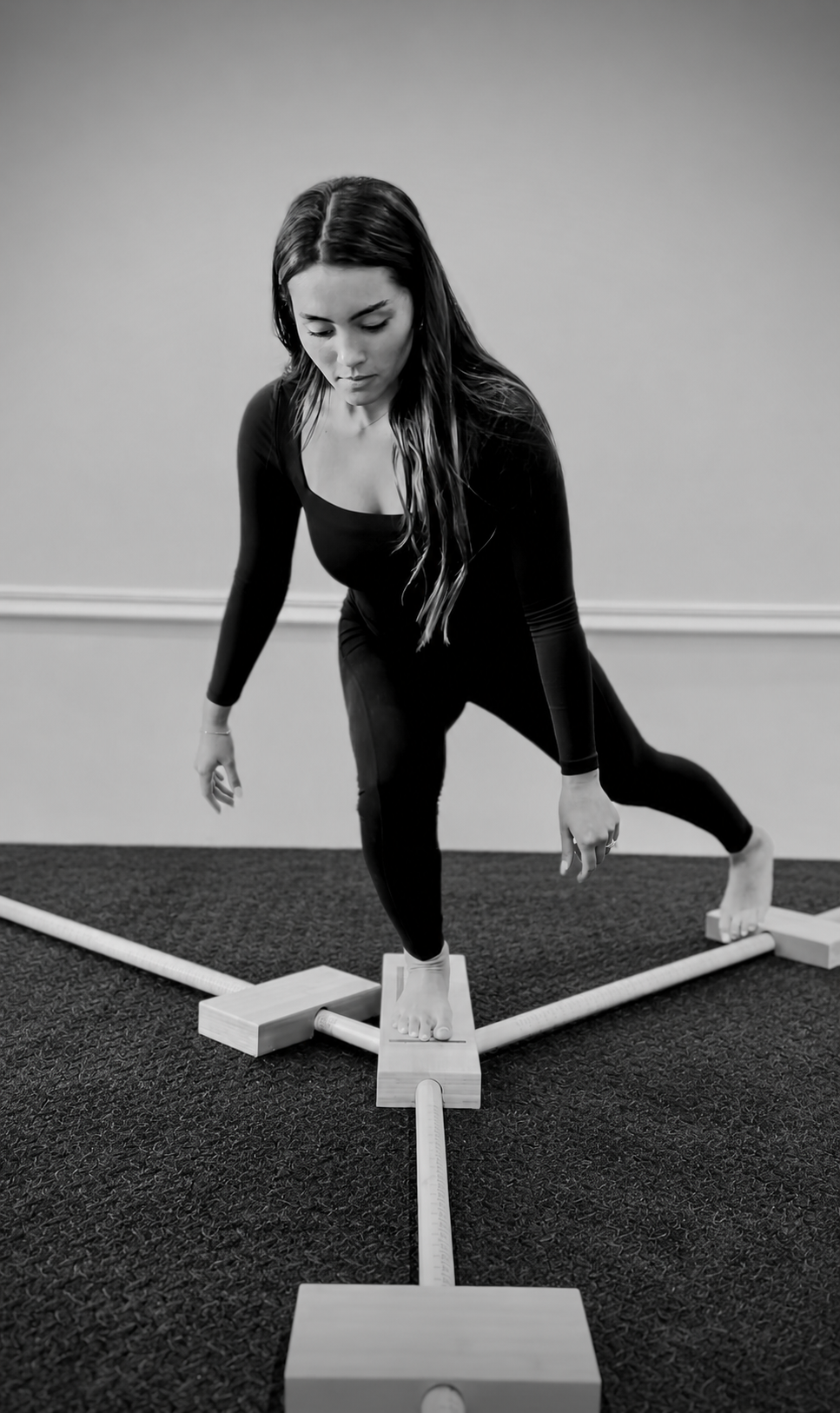
The Y Balance Test (YBT), developed by Functional Movement Systems, is a standardized, research-informed assessment designed to objectively measure dynamic balance, neuromuscular control, functional stability, and movement symmetry throughout the body. Divided into Lower Quarter (YBT-LQ) and Upper Quarter (YBT-UQ) assessments, the test challenges individuals to maintain stability while reaching in multiple directions, evaluating how effectively the nervous and musculoskeletal systems coordinate strength, mobility, proprioception, and postural control.
By quantifying performance and identifying left-to-right asymmetries, balance deficits, and limitations in movement control, the YBT provides valuable information for individualized corrective exercise, rehabilitation, athletic development, and injury-risk assessment. It benefits a wide range of individuals, including youth and competitive athletes, recreational exercisers, physically demanding professionals, older adults seeking to maintain functional independence, and patients recovering from musculoskeletal injuries. Particularly valuable for establishing preseason baselines, monitoring rehabilitation progress, and informing return-to-sport decisions, the YBT helps us move beyond simply observing movement to objectively measuring an individual's ability to control it.
The result is a more precise, personalized approach to improving movement competency, identifying potential limitations before increasing training demands, and supporting long-term physical health and performance.
Appointment time: 30 minutes -
Curated for patients with pain, recurring limitations, or difficulty returning to activity.
Core Assessment: SFMA
Additional Testing: Breathing assessment and targeted Y Balance when appropriate.
Includes: Findings summary, rehabilitation priorities, initial home exercises, and recommendations for care
Appointment time: 90 minutes
Rehabilitation Screening
-
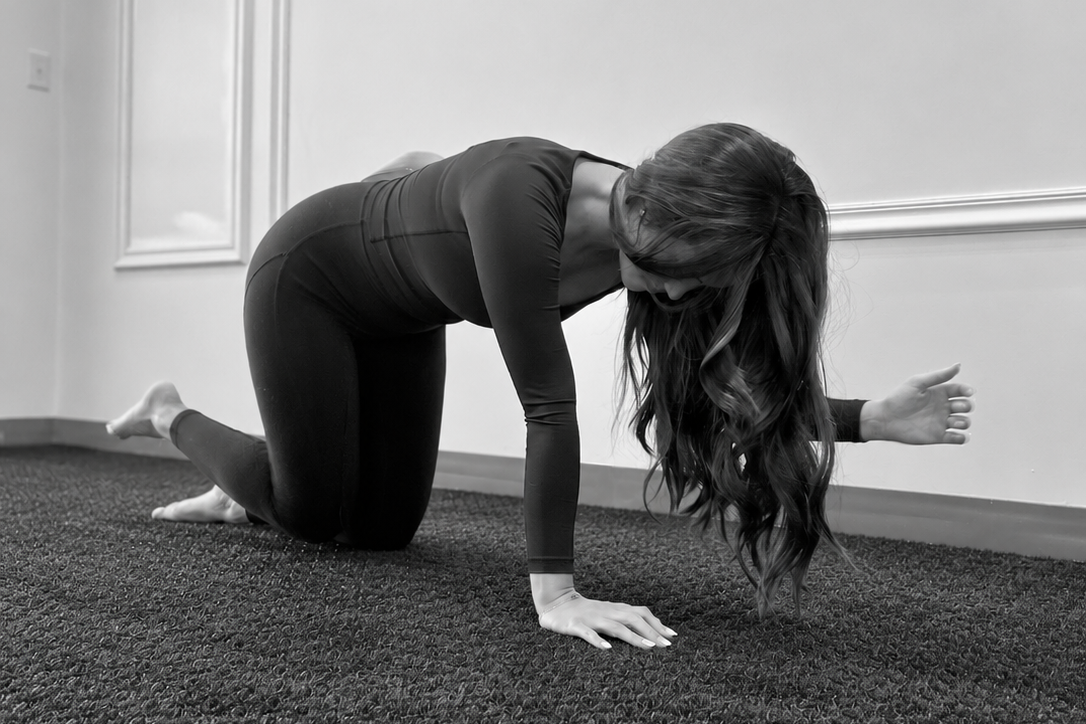
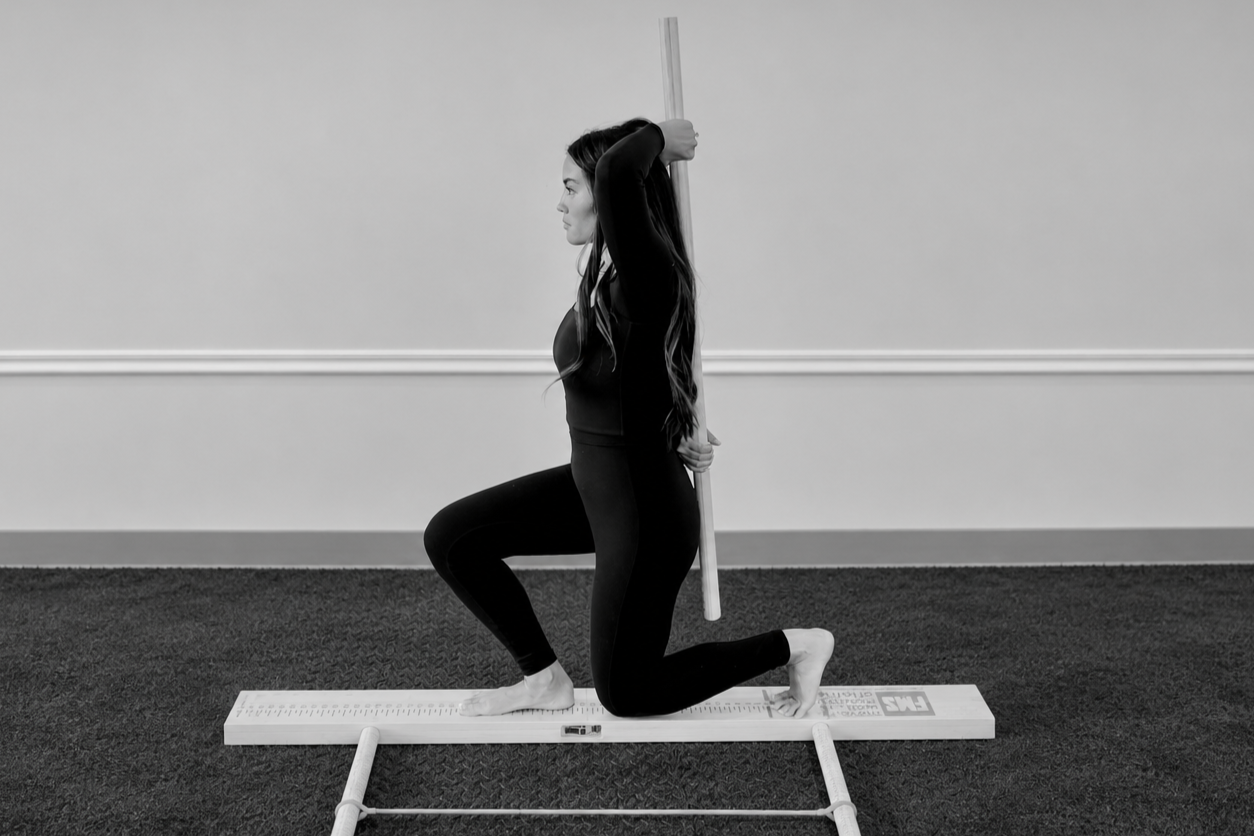
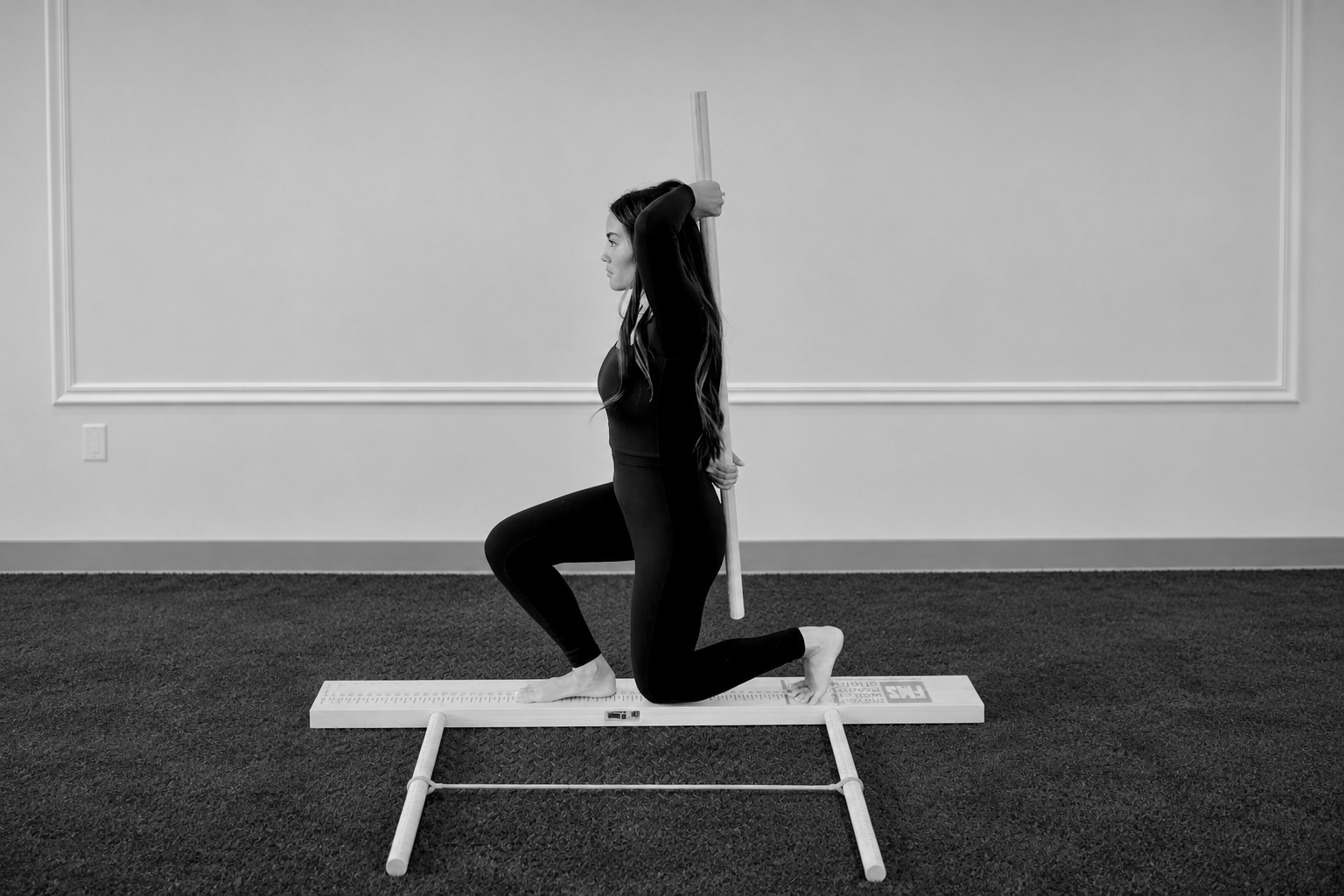
The Functional Movement Screen (FMS) is a standardized, research-informed screening system designed to evaluate the quality of fundamental human movement patterns that serve as the foundation for everyday activities, exercise, and athletic performance. Through seven movement tests: Deep Squat, Hurdle Step, Inline Lunge, Shoulder Mobility, Active Straight-Leg Raise, Trunk Stability Push-Up, and Rotary Stability, the FMS examines how effectively the body integrates mobility, stability, balance, coordination, and neuromuscular control. By identifying movement limitations, left-to-right asymmetries, and compensatory movement patterns that may otherwise go unnoticed, the FMS establishes an objective baseline for guiding corrective exercise, individualized training, and decisions about further clinical evaluation.
It benefits individuals across the physical activity spectrum, including youth and competitive athletes, recreational exercisers, physically demanding professionals, and individuals transitioning from rehabilitation to regular exercise. Particularly valuable for preseason screening, monitoring movement development, and identifying limitations before progressing to more demanding activities, the FMS helps ensure that movement quality is prioritized before increasing exercise intensity, resistance, or complexity.
Rather than simply focusing on how much weight someone can lift, how fast they can run, or how long they can exercise, the FMS examines the foundational movement competency upon which those abilities depend. The result is a more systematic, personalized approach to developing movement efficiency, addressing functional limitations, and building a sustainable foundation for lifelong physical health, fitness, and performance.
Appointment time: 30 minutes -
Breathing is more than the exchange of oxygen and carbon dioxide—it is a fundamental regulator of movement, postural stability, motor control, physiological function, and the body's response to stress. Our Functional Breathing Screening & Assessment, informed by the Functional Movement Systems (FMS) multidimensional approach, evaluates three interconnected dimensions of breathing:
Biochemical (respiratory gas regulation),
Biomechanical (diaphragm function, rib cage mobility, and breathing mechanics), and
Psychophysiological (the relationship between breathing, stress, and nervous system regulation).
Dysfunctional breathing patterns may contribute to impaired spinal stability, muscular tension, reduced movement efficiency, altered pain sensitivity, and limitations in exercise performance and recovery. Through breathing-pattern observation, targeted assessments, and functional movement evaluation, we identify potential respiratory dysfunctions that may otherwise go unrecognized.
These findings help guide individualized breathing retraining, corrective exercise, and rehabilitation strategies designed to improve respiratory efficiency, support movement quality, and promote long-term physical function, resilience, and optimal health.
Appointment time: 30 minutes -
The Functional Wellness Screen (FWS), developed by Functional Movement Systems, is a comprehensive, preventive screening system designed to identify lifestyle-related risk factors that influence musculoskeletal health, physical function, injury susceptibility, and overall well-being. Recognizing that movement health extends far beyond muscles and joints, the FWS evaluates eight interconnected domains: Movement Health, Injury History, Physical Activity, Sleep Quality, Behavioral Health, Breathing Quality, Body Composition, and Nutritional Awareness.
By examining how these factors interact, the screening helps identify overlooked contributors to dysfunction, distinguish concerns requiring further clinical evaluation from those appropriate for lifestyle intervention, and prioritize the most meaningful opportunities for improvement. The FWS benefits individuals across the health and fitness continuum, from those managing persistent musculoskeletal complaints or recovering from injury to recreational exercisers, athletes, and otherwise healthy individuals seeking a more proactive approach to long-term wellness.
Through standardized screening, individualized risk categorization, and actionable recommendations, we help patients better understand their current health, address modifiable risk factors, establish healthier behaviors, and make informed decisions about appropriate care and exercise.
Rather than waiting for pain, injury, or declining function to become the motivation for change, the FWS provides a practical starting point for protecting health, improving lifestyle habits, and building the foundation for sustainable movement, resilience, and lifelong physical well-being.
Appointment time: 30 minutes -
The Quick Screen is a streamlined, standardized movement screening system designed to efficiently evaluate an individual's foundational movement competency, identify potential musculoskeletal limitations, and determine readiness for exercise, physical activity, and more demanding movement challenges.
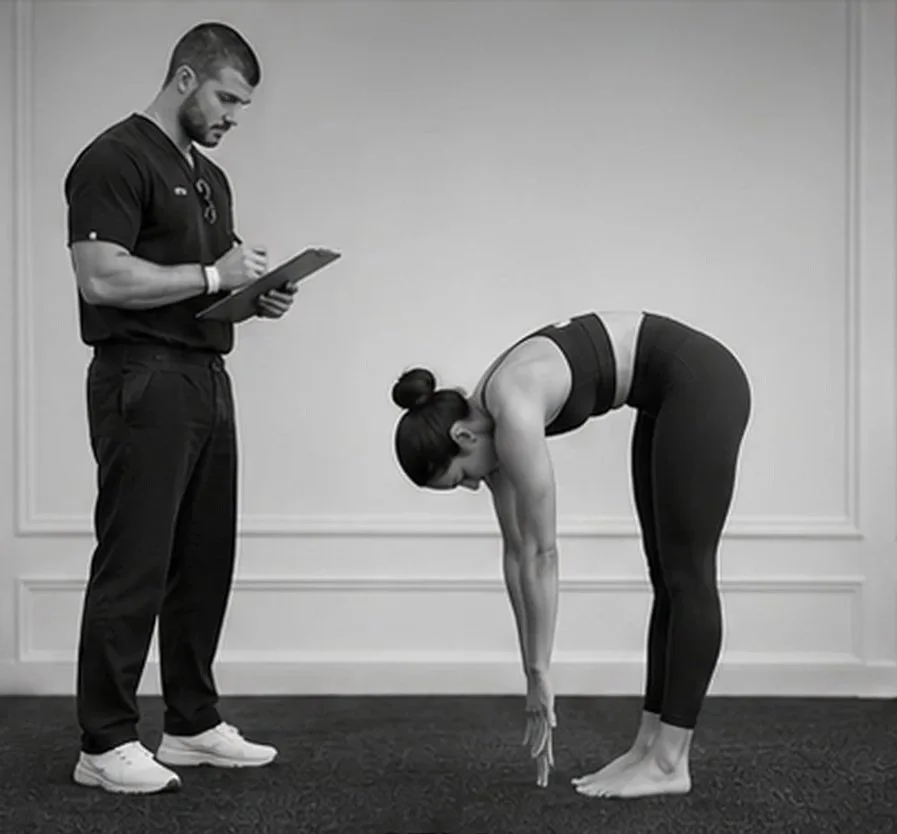
Through a series of fundamental movement patterns, including cervical spine mobility, forward bending (toe touch), shoulder mobility, whole-body rotation, single-leg balance, and squatting, along with targeted pain-clearing tests, the Quick Screen examines how effectively the body integrates mobility, stability, coordination, and neuromuscular control. By identifying painful movements, left-to-right asymmetries, movement restrictions, and compensatory strategies, the screening helps distinguish individuals who are ready to progress from those who may benefit from corrective exercise, activity modification, or further clinical evaluation.
The Quick Screen is particularly valuable for individuals beginning a new exercise program, returning to physical activity after periods of inactivity, recreational exercisers, athletes, and those seeking to preserve functional movement throughout life. Its efficient, repeatable format allows us to establish an initial movement baseline, monitor changes over time, and make more informed decisions about exercise selection and progression.
Rather than assuming someone is physically prepared simply because they can perform an activity, the Quick Screen provides a practical first step toward understanding how well they move—helping us protect against unnecessary physical stress, address meaningful movement limitations, and build a foundation for safe, sustainable fitness and long-term physical independence.
Appointment time: 30 minutes -
The Y Balance Test (YBT), developed by Functional Movement Systems, is a standardized, research-informed assessment designed to objectively measure dynamic balance, neuromuscular control, functional stability, and movement symmetry throughout the body. Divided into Lower Quarter (YBT-LQ) and Upper Quarter (YBT-UQ) assessments, the test challenges individuals to maintain stability while reaching in multiple directions, evaluating how effectively the nervous and musculoskeletal systems coordinate strength, mobility, proprioception, and postural control.
By quantifying performance and identifying left-to-right asymmetries, balance deficits, and limitations in movement control, the YBT provides valuable information for individualized corrective exercise, rehabilitation, athletic development, and injury-risk assessment. It benefits a wide range of individuals, including youth and competitive athletes, recreational exercisers, physically demanding professionals, older adults seeking to maintain functional independence, and patients recovering from musculoskeletal injuries. Particularly valuable for establishing preseason baselines, monitoring rehabilitation progress, and informing return-to-sport decisions, the YBT helps us move beyond simply observing movement to objectively measuring an individual's ability to control it.
The result is a more precise, personalized approach to improving movement competency, identifying potential limitations before increasing training demands, and supporting long-term physical health and performance.
Appointment time: 30 minutes -
Curated for individuals seeking better movement, sustainable fitness, and physical independence.
Core Assessment: Functional Wellness Screen + Functional Movement Screen
Additional Testing: Breathing assessment and targeted Y Balance when appropriate.
Includes: Findings summary, rehabilitation priorities, initial home exercises, and recommendations for care, Wellness and movement profile, prioritized action plan, and initial 4-week exercise recommendations
Appointment time: 90 minutes
Wellness Screening
-
Breathing is more than the exchange of oxygen and carbon dioxide—it is a fundamental regulator of movement, postural stability, motor control, physiological function, and the body's response to stress. Our Functional Breathing Screening & Assessment, informed by the Functional Movement Systems (FMS) multidimensional approach, evaluates three interconnected dimensions of breathing:
Biochemical (respiratory gas regulation),
Biomechanical (diaphragm function, rib cage mobility, and breathing mechanics), and
Psychophysiological (the relationship between breathing, stress, and nervous system regulation).
Dysfunctional breathing patterns may contribute to impaired spinal stability, muscular tension, reduced movement efficiency, altered pain sensitivity, and limitations in exercise performance and recovery. Through breathing-pattern observation, targeted assessments, and functional movement evaluation, we identify potential respiratory dysfunctions that may otherwise go unrecognized.
These findings help guide individualized breathing retraining, corrective exercise, and rehabilitation strategies designed to improve respiratory efficiency, support movement quality, and promote long-term physical function, resilience, and optimal health.
Appointment time: 30 minutes -
The Fundamental Capacity Screen (FCS), developed by Functional Movement Systems, is an objective, performance-based screening system designed to measure the foundational physical capacities that support movement, exercise, athletic performance, and long-term physical development.
While traditional movement screening evaluates how well an individual moves, the FCS examines what they are physically capable of doing through four essential domains:
Movement Control (balance, coordination, and neuromuscular control),
Postural Control (strength and stability under load),
Explosive Control (the ability to generate force and power), and
Impact Control (the ability to absorb, store, and redirect energy).
By identifying physical limitations, asymmetries, and underdeveloped capacities, the FCS helps guide more precise exercise prescription, corrective strategies, and progressive training programs.
It is particularly valuable for athletes seeking improved performance, recreational exercisers looking to advance their fitness, and individuals transitioning from rehabilitation to higher levels of physical activity. Rather than relying on assumptions about strength, fitness, or athletic ability, the FCS provides measurable benchmarks to establish baselines, monitor progress, identify training priorities, and help individuals develop the physical resources necessary to meet the demands of their sport, occupation, and everyday life.
Appointment time: 60 minutes -
The Y Balance Test (YBT), developed by Functional Movement Systems, is a standardized, research-informed assessment designed to objectively measure dynamic balance, neuromuscular control, functional stability, and movement symmetry throughout the body. Divided into Lower Quarter (YBT-LQ) and Upper Quarter (YBT-UQ) assessments, the test challenges individuals to maintain stability while reaching in multiple directions, evaluating how effectively the nervous and musculoskeletal systems coordinate strength, mobility, proprioception, and postural control.
By quantifying performance and identifying left-to-right asymmetries, balance deficits, and limitations in movement control, the YBT provides valuable information for individualized corrective exercise, rehabilitation, athletic development, and injury-risk assessment. It benefits a wide range of individuals, including youth and competitive athletes, recreational exercisers, physically demanding professionals, older adults seeking to maintain functional independence, and patients recovering from musculoskeletal injuries. Particularly valuable for establishing preseason baselines, monitoring rehabilitation progress, and informing return-to-sport decisions, the YBT helps us move beyond simply observing movement to objectively measuring an individual's ability to control it.
The result is a more precise, personalized approach to improving movement competency, identifying potential limitations before increasing training demands, and supporting long-term physical health and performance.
Appointment time: 30 minutes -
Curated for: Athletes and active adults seeking targeted training priorities
Core Assessment: Fundamental Capacity Screen + Functional Movement Screen
Additional Testing: Upper- and lower-quarter Y Balance; breathing screening with further assessment when indicated
Includes: Findings summary, rehabilitation priorities, initial home exercises, and recommendations for care, Wellness and movement profile, prioritized action plan, and initial 4-week exercise recommendations, Movement and capacity profile, identified training priorities, and initial programming recommendations
Appointment time: 120 minutes
Performance Screening
Reasons Patients Pursue Functional Movement Screening

Evaluating and Correcting Muscles and Joints
Evaluating and Correcting Movements
Movement is fundamental to how we live, work, recover, and perform - but not all movement is created equal. Whether you're recovering from an injury, maintaining an active lifestyle, pursuing peak athletic performance, or developing a more resilient team, understanding how you move is the first step toward improving what you can do.
We offer the complete suite of seven Functional Movement Systems (FMS) screening and assessment tools, combined with an individualized 4-week corrective exercise prescription to identify movement limitations, address mobility and stability deficits, improve motor control, and build a foundation for lasting physical performance. Our comprehensive approach bridges the gap between rehabilitation, preventive wellness, and athletic development, turning objective movement assessments into actionable strategies for meaningful improvement.
From individuals and recreational athletes to competitive sports teams, soccer and football programs, dance studios, and private fitness facilities, we bring professional movement assessments and evidence-informed exercise programming to people at every level. We also partner with private gyms, personal trainers, and boutique fitness studios to provide their members with advanced movement screening, individualized corrective programming, and an additional level of professional support that complements their existing training.
Because better movement isn't just about preventing setbacks - it's about expanding what's possible.
Seven Screening Systems. One Integrated Approach to Movement, Rehabilitation & Performance
-
![]()
01 | FMS
The Functional Movement Screen (FMS), developed by Functional Movement Systems, is a standardized, research-informed screening system designed to evaluate the quality of fundamental human movement patterns that serve as the foundation for everyday activities, exercise, and athletic performance. Through seven movement tests—Deep Squat, Hurdle Step, Inline Lunge, Shoulder Mobility, Active Straight-Leg Raise, Trunk Stability Push-Up, and Rotary Stability, the FMS examines how effectively the body integrates mobility, stability, balance, coordination, and neuromuscular control. By identifying movement limitations, left-to-right asymmetries, and compensatory movement patterns that may otherwise go unnoticed, the FMS establishes an objective baseline for guiding corrective exercise, individualized training, and decisions about further clinical evaluation.
It benefits individuals across the physical activity spectrum, including youth and competitive athletes, recreational exercisers, physically demanding professionals, and individuals transitioning from rehabilitation to regular exercise. Particularly valuable for preseason screening, monitoring movement development, and identifying limitations before progressing to more demanding activities, the FMS helps ensure that movement quality is prioritized before increasing exercise intensity, resistance, or complexity.
Rather than simply focusing on how much weight someone can lift, how fast they can run, or how long they can exercise, the FMS examines the foundational movement competency upon which those abilities depend. The result is a more systematic, personalized approach to developing movement efficiency, addressing functional limitations, and building a sustainable foundation for lifelong physical health, fitness, and performance.
-
![]()
02 | YBT
The Y Balance Test (YBT), developed by Functional Movement Systems, is a standardized, research-informed assessment designed to objectively measure dynamic balance, neuromuscular control, functional stability, and movement symmetry throughout the body. Divided into Lower Quarter (YBT-LQ) and Upper Quarter (YBT-UQ) assessments, the test challenges individuals to maintain stability while reaching in multiple directions, evaluating how effectively the nervous and musculoskeletal systems coordinate strength, mobility, proprioception, and postural control.
By quantifying performance and identifying left-to-right asymmetries, balance deficits, and limitations in movement control, the YBT provides valuable information for individualized corrective exercise, rehabilitation, athletic development, and injury-risk assessment. It benefits a wide range of individuals, including youth and competitive athletes, recreational exercisers, physically demanding professionals, older adults seeking to maintain functional independence, and patients recovering from musculoskeletal injuries. Particularly valuable for establishing preseason baselines, monitoring rehabilitation progress, and informing return-to-sport decisions, the YBT helps us move beyond simply observing movement to objectively measuring an individual's ability to control it.
The result is a more precise, personalized approach to improving movement competency, identifying potential limitations before increasing training demands, and supporting long-term physical health and performance.
-
![]()
03 | FWS
The Functional Wellness Screen (FWS), developed by Functional Movement Systems, is a comprehensive, preventive screening system designed to identify lifestyle-related risk factors that influence musculoskeletal health, physical function, injury susceptibility, and overall well-being. Recognizing that movement health extends far beyond muscles and joints, the FWS evaluates eight interconnected domains: Movement Health, Injury History, Physical Activity, Sleep Quality, Behavioral Health, Breathing Quality, Body Composition, and Nutritional Awareness.
By examining how these factors interact, the screening helps identify overlooked contributors to dysfunction, distinguish concerns requiring further clinical evaluation from those appropriate for lifestyle intervention, and prioritize the most meaningful opportunities for improvement. The FWS benefits individuals across the health and fitness continuum, from those managing persistent musculoskeletal complaints or recovering from injury to recreational exercisers, athletes, and otherwise healthy individuals seeking a more proactive approach to long-term wellness.
Through standardized screening, individualized risk categorization, and actionable recommendations, we help patients better understand their current health, address modifiable risk factors, establish healthier behaviors, and make informed decisions about appropriate care and exercise.
Rather than waiting for pain, injury, or declining function to become the motivation for change, the FWS provides a practical starting point for protecting health, improving lifestyle habits, and building the foundation for sustainable movement, resilience, and lifelong physical well-being.
-
![]()
04 | Breathing Screen
Breathing is more than the exchange of oxygen and carbon dioxide—it is a fundamental regulator of movement, postural stability, motor control, physiological function, and the body's response to stress. Our Functional Breathing Screening & Assessment, informed by the Functional Movement Systems (FMS) multidimensional approach, evaluates three interconnected dimensions of breathing:
Biochemical (respiratory gas regulation),
Biomechanical (diaphragm function, rib cage mobility, and breathing mechanics), and
Psychophysiological (the relationship between breathing, stress, and nervous system regulation).
Dysfunctional breathing patterns may contribute to impaired spinal stability, muscular tension, reduced movement efficiency, altered pain sensitivity, and limitations in exercise performance and recovery. Through breathing-pattern observation, targeted assessments, and functional movement evaluation, we identify potential respiratory dysfunctions that may otherwise go unrecognized.
These findings help guide individualized breathing retraining, corrective exercise, and rehabilitation strategies designed to improve respiratory efficiency, support movement quality, and promote long-term physical function, resilience, and optimal health.
-
![]()
05 | FCS
The Fundamental Capacity Screen (FCS), developed by Functional Movement Systems, is an objective, performance-based screening system designed to measure the foundational physical capacities that support movement, exercise, athletic performance, and long-term physical development.
While traditional movement screening evaluates how well an individual moves, the FCS examines what they are physically capable of doing through four essential domains:
Movement Control (balance, coordination, and neuromuscular control),
Postural Control (strength and stability under load),
Explosive Control (the ability to generate force and power), and
Impact Control (the ability to absorb, store, and redirect energy).
By identifying physical limitations, asymmetries, and underdeveloped capacities, the FCS helps guide more precise exercise prescription, corrective strategies, and progressive training programs.
It is particularly valuable for athletes seeking improved performance, recreational exercisers looking to advance their fitness, and individuals transitioning from rehabilitation to higher levels of physical activity. Rather than relying on assumptions about strength, fitness, or athletic ability, the FCS provides measurable benchmarks to establish baselines, monitor progress, identify training priorities, and help individuals develop the physical resources necessary to meet the demands of their sport, occupation, and everyday life.
-
![]()
06 | SFMA
The Selective Functional Movement Assessment (SFMA), developed by Functional Movement Systems, is a comprehensive, clinically oriented movement assessment designed to identify the underlying functional limitations and movement dysfunctions associated with musculoskeletal pain, injury, and impaired physical performance.
Unlike the Functional Movement Screen (FMS), which evaluates movement competency in individuals without pain, the SFMA is specifically designed for individuals experiencing pain or dysfunction. Through a systematic evaluation of fundamental movement patterns—including spinal mobility, upper-extremity function, multi-segmental movement, single-leg stability, and squatting—the SFMA distinguishes between mobility restrictions, motor control deficits, painful movement patterns, and compensatory movement strategies.
Grounded in the principles of regional interdependence, it recognizes that the location of pain is not always the location of the dysfunction contributing to it, allowing clinicians to examine how limitations in one region may influence movement elsewhere in the body. The SFMA is particularly valuable for individuals experiencing persistent neck or back pain, recurring musculoskeletal injuries, restricted mobility, movement-related discomfort, or difficulty returning to exercise and athletics following rehabilitation.
By identifying and prioritizing dysfunctional movement patterns, the SFMA helps guide more targeted chiropractic care, physiotherapy, manual therapy, corrective exercise, and neuromuscular rehabilitation while providing measurable opportunities to reassess progress.
Rather than treating symptoms in isolation, the SFMA helps us understand how the body functions as an integrated movement system, address clinically relevant contributors to dysfunction, restore movement competency, and build a stronger foundation for long-term physical independence, resilience, and performance.
-
![]()
07 | Quick Screen
The Quick Screen is a streamlined, standardized movement screening system designed to efficiently evaluate an individual's foundational movement competency, identify potential musculoskeletal limitations, and determine readiness for exercise, physical activity, and more demanding movement challenges.
Through a series of fundamental movement patterns, including cervical spine mobility, forward bending (toe touch), shoulder mobility, whole-body rotation, single-leg balance, and squatting, along with targeted pain-clearing tests, the Quick Screen examines how effectively the body integrates mobility, stability, coordination, and neuromuscular control. By identifying painful movements, left-to-right asymmetries, movement restrictions, and compensatory strategies, the screening helps distinguish individuals who are ready to progress from those who may benefit from corrective exercise, activity modification, or further clinical evaluation.
The Quick Screen is particularly valuable for individuals beginning a new exercise program, returning to physical activity after periods of inactivity, recreational exercisers, athletes, and those seeking to preserve functional movement throughout life. Its efficient, repeatable format allows us to establish an initial movement baseline, monitor changes over time, and make more informed decisions about exercise selection and progression.
Rather than assuming someone is physically prepared simply because they can perform an activity, the Quick Screen provides a practical first step toward understanding how well they move—helping us protect against unnecessary physical stress, address meaningful movement limitations, and build a foundation for safe, sustainable fitness and long-term physical independence.
Articles