
Our Team

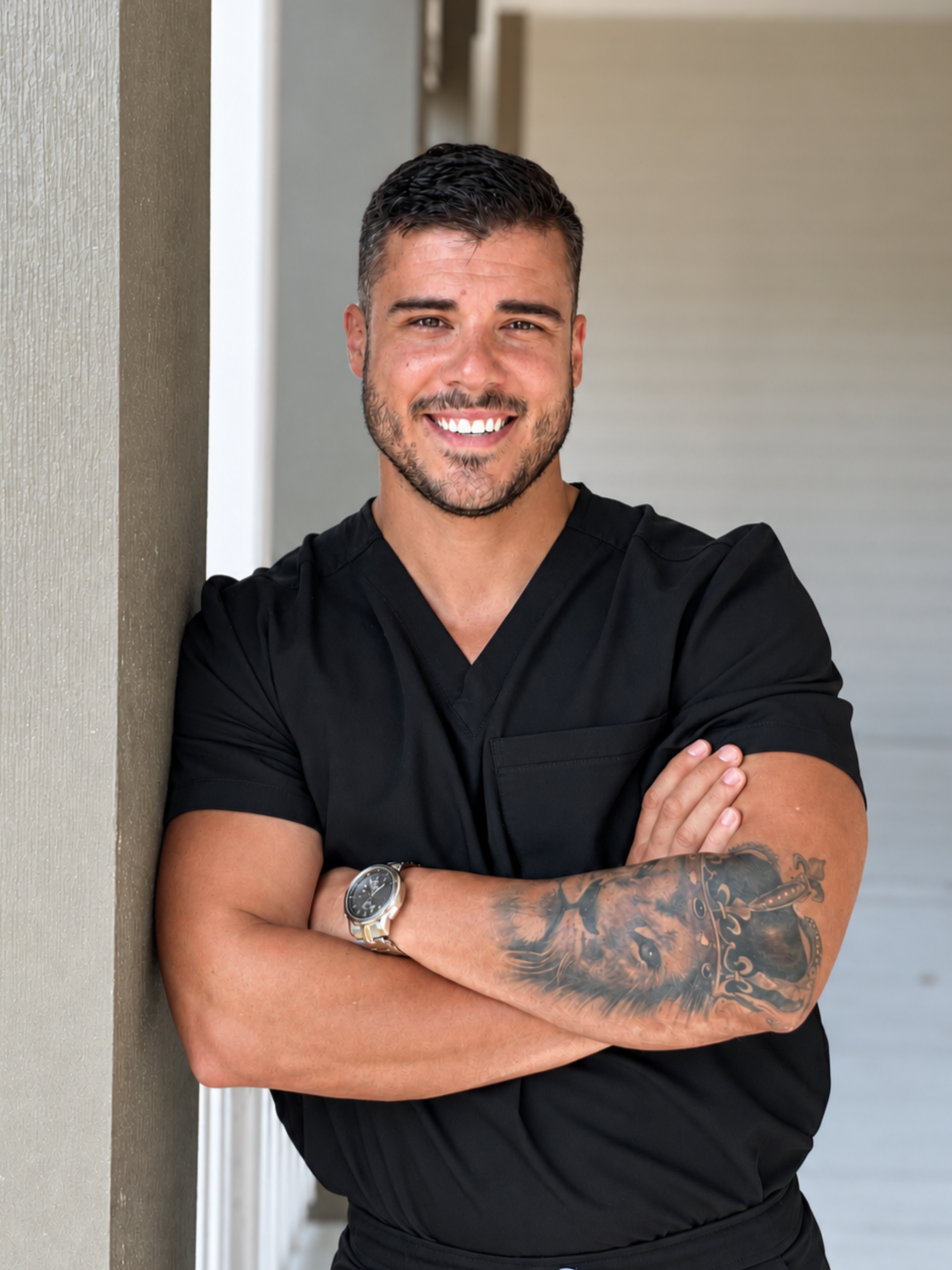
Dr. Jason McCloskey

Lead Physician | Doctor of Chiropractic (GA, FL)

With a vision for building something meaningful, our founder brings a blend of big-picture thinking and hands-on experience. They set the tone for everything we do.

Resident Physician | Doctor of Chiropractic (GA, FL)

Dr. Kelly Zagore

Focused, approachable, and driven by results, our sales manager is all about building strong relationships. They help connect people to the right solutions—with clarity and care.

Team Values

  • 01 | High Standards, Integrity, Relentless Pursuit of Excellence, Continuous Improvement

    An unwavering commitment to the highest standards of quality in their craft, whether that’s perfecting a dish, optimizing physical performance, or creating compelling art. Maintain exceptionally high standards for yourself, your team, and your patients. Hold everyone accountable for their performance, no matter their role. High performers uphold strong ethical standards and take full responsibility for their actions, successes, and failures. We are always looking for ways to improve. We are never satisfied with the status quo and constantly seek new methods, tactics, and strategies to to stay ahead.

    Strive for excellence in patient care by continuously improving your skills, knowledge, and the quality of service we provide. Aim to deliver exceptional outcomes in every patient interaction. Set high standards for patient care and clinic operations. The team is encouraged to strive for excellence and hold them accountable for delivering high quality care. Create a culture of contructive feedback where mistakes are viewed as learning opportunities. Maintain a high level of integrity in all aspects of our practice. Be accountable for patient outcomes, and be honest about what you know, and seek support when needed.

  • 02 | Continuous Learning, Adaptability, & Strategic Thinking

    A dedication to learning and growth, always seeking new techniques, strategies, and perspectives. Elite performers never settle; they evolve with changing conditions and new information. They are highly adaptable, consistently adjusting their strategies based on their situation, opponents, or challenges. They are not afraid to change their game plans to achieve their goals.

    Stay updated with the latest research, advancements, and best practices in healthcare. Embrace innovation and be adaptable to new technologies, treatments, and patient needs. Be open to adapting your approach to patient care. Each patient is unique, and a one-size-fits-all approach rarely works. Be willing to modify treatment plans, incorporate new methods or techniques, and adjust based on patient feedback and progress.

  • 03 | Discipline, Accountability, and Work Ethic

    A strong sense of discipline and a tireless work ethic drive these professionals to put in long hours, maintain rigorous routines, and consistently push beyond their limits.

    Maintain a disciplined approach to our practice, focusing on consistency in patient care, documentation, and follow-up. Develop routines that enhance your efficiency and effectiveness.

  • 04 | Relentless Preparation and Attention to Detail

    Elite performers are meticulous and precise in their work. They understand that small details can make the difference between good and great. They are known for their meticulous preperation, leaving no sone unturned. They study every aspect of the game, opponents, and even the smallest details to ensure they are fully prepared for any situation.

    Pay close attention to every aspect of patient care, from initial assessments to follow-up visits. Be thorough in diagnosis, treatment planning, and patient communication. This means thoroughly preparing for each patient visit, reviewing medical history, and understanding the latest treatment options. Conduct detailed patient assessments and create comprehensive care plans tailored to individual needs. Stay informed about the latest research and best practices in your field.

  • 05 | Passion, Purpose, and Pride

    A deep passion for what they do drives these professionals. They see their work as more than just a job - it’s a calling and a source of fulfillment.

    Find and maintain a passion for helping others. Let a sense of purpose guide your actions, decisions, and the way you connect with your patients.

  • 06 | Resilience, Unwavering Focus, and Mental Toughness

    The ability to handle pressure, setbacks, and criticism without losing focus or motivation. They see failure as a stepping stone to success.

    Develop resilience and persistence in the face of challenges, such as difficult cases or unexpected outcomes. Learn from setbacks and maintain a positive, growth-oriented mindset. Stay calm, focused, and solution-oriented.

  • 07 | Empathy and Emotional Intelligence

    Understanding and managing their own emotions, as well as those of others, enables them to connect deeply and authentically with their audiences or teammates.

    Cultivate empathy for your patients and colleagues. Practice active listening, compassionate communication, and understanding patient needs and emotions.

  • 08 | Vision and Innovation

    Successful professionals often have a clear vision for where they want to go and are not afraid to innovate or take risks to achieve it.

    Develop a clear vision for your practice or role as a healthcare provider. Be open to new ideas and methods, and dont be afraid to challenge the status quo to provide better patient care.

  • 09 | Strong Culture, Collaboration, and Teamwork

    Whether its working with support staff, a team of coaches, or a film crew, they value collaboration and a unique contributions of each team member. Build a strong culture characterized by mutual respect, accountability, and a shared commitment to success. Focus on creating a cohesive unit where everyone understands their role and works toward a common goal.

    Foster a collaborative environment in your practice by valuing the input of other healthcare professionals. Work closely with your team to provide comprehensive care and coordinate with other specialists if needed. Foster a strong, positive culture in the clinic by encouraging collaboration, open communication, and a shared sense of purpose.

  • 10 | Emphasis on Fundamentals and Consistency

    Emphasize mastering the fundamentals and maintaining consistency in execution. We believe in doing the basic things well, repeatedly, until they become second nature.

    In healthcare, this means consistently applying the core principles of good patient care - accurate diagnosis, clear communication, patient education, empathy, and follow-up. Establish reliable processes and systems in your clinic to ensure high standards are maintained for each patient, every time.

  • 11 | Leadership and Empowerment

    Effective leaders who know how to inspire and empower their team and their patients. They create an environment where providers and patient take accountability and ownership of their development and performance. Encourage team and patients to take initiative, make decisions, and contribute to the clinic’s success and patient outcomes. Involve them in decision-making processes and recognize their achievements.

  • 12 | Reflection and Refinement

    Cultivate a mindset of continuous self-reflection, critical evaluation, and deliberate improvement. We believe that excellence is not a fixed destination but an ongoing process of examining our assumptions, learning from experience, identifying opportunities for growth, and refining our knowledge, skills, behaviors, and systems. Reflection allows us to recognize what is working, understand what is not, and make purposeful adjustments that lead to better outcomes.

    In healthcare, this means regularly evaluating clinical decisions, patient outcomes, treatment effectiveness, and the overall patient experience. Practice intellectual humility, seek constructive feedback, challenge outdated assumptions, and remain receptive to emerging evidence and alternative perspectives. Incorporate both self-assessment and objective performance measures into clinical practice, recognizing that professional mastery requires the willingness to question our methods, acknowledge limitations, and continually improve how we think, communicate, and deliver care.

  • 13 | Embodiment

    Strive to embody the principles, values, and behaviors you advocate rather than merely understanding or communicating them. We believe that genuine leadership and credibility emerge from the alignment of knowledge, conviction, and action. What we consistently practice carries greater weight than what we simply profess. Embodiment requires personal accountability, integrity, self-discipline, and the commitment to translate intellectual understanding into lived experience, making excellence a reflection of character rather than an occasional performance.

    In healthcare, this means practicing the principles of health, wellness, and personal development that we encourage in our patients. Demonstrate a commitment to physical health, emotional regulation, intellectual curiosity, ethical conduct, and professional responsibility. Recognize that clinicians serve not only as sources of information but also as models of behavior, influencing patients through their habits, attitudes, communication, and decision-making. Although perfection is neither expected nor attainable, strive for congruence between what you know, what you teach, and how you live. Lead by example, recognizing that the most credible form of education is the consistent demonstration of the principles we seek to instill in others.

  • 14 | Medical Ethics

    Uphold the highest standards of ethical reasoning, professional integrity, and moral responsibility in every aspect of healthcare. We believe that the privilege of caring for others carries an obligation to act with honesty, competence, fairness, compassion, and respect for human dignity. Ethical healthcare requires more than compliance with laws, regulations, or professional codes; it demands principled judgment, intellectual honesty, and the courage to prioritize what is right over what is convenient, profitable, or personally advantageous. Ground decisions in the foundational principles of medical ethics: beneficence, nonmaleficence, respect for patient autonomy, and justice.

    In healthcare, this means prioritizing patient welfare above financial incentives, personal biases, professional egStrive to embody the principles, values, and behaviors you advocate rather than merely understanding or communicating them. We believe that genuine leadership and credibility emerge from the alignment of knowledge, conviction, and action. What we consistently practice carries greater weight than what we simply profess. Embodiment requires personal accountability, integrity, self-discipline, and the commitment to translate intellectual understanding into lived experience, making excellence a reflection of character rather than an occasional performance.

    In healthcare, this means practicing the principles of health, wellness, and personal development that we encourage in our patients. Demonstrate a commitment to physical health, emotional regulation, intellectual curiosity, ethical conduct, and professional responsibility. Recognize that clinicians serve not only as sources of information but also as models of behavior, influencing patients through their habits, attitudes, communication, and decision-making. Although perfection is neither expected nor attainable, strive for congruence between what you know, what you teach, and how you live. Lead by example, recognizing that the most credible form of education is the consistent demonstration of the principles we seek to instill in others.

we believe physicianship should be

Predictive patient care focuses on anticipating health issues before they arise, enabling early interventions that can prevent disease progression. By leveraging data from genetic testing, lifestyle factors, and health trends, healthcare providers can create personalized, proactive care plans. This approach reduces the need for reactive treatments, improves patient outcomes, and can lower healthcare costs over time by minimizing the occurrence of chronic conditions and complications. Predictive care ultimately empowers patients to maintain better long-term health.

Predictive

Preventive patient care prioritizes measures that reduce the risk of disease before it develops, focusing on maintaining health rather than treating illness. By identifying risk factors early, such as regular screenings, lifestyle assessments, and health coaching, preventive care helps avoid the onset of chronic conditions and minimizes the need for costly or invasive treatments. This proactive approach not only improves long-term patient outcomes but also enhances quality of life by reducing the burden of illness and empowering individuals to stay healthy.

Preventative

Practical patient care focuses on delivering treatments and recommendations that are realistic, achievable, and suited to a patient’s daily life. This approach ensures that care plans are not only medically effective but also tailored to the individual’s circumstances, such as their lifestyle, resources, and personal limitations. Practical care promotes better adherence to treatments, reduces unnecessary complexity, and empowers patients to integrate healthy behaviors into their routine, leading to more sustainable and successful outcomes.

Practical

Participatory patient care emphasizes active collaboration between patients and healthcare providers, empowering individuals to take ownership of their health. By involving patients in decision-making, care becomes more personalized, addressing unique needs, preferences, and goals. This approach fosters trust, improves adherence to treatment plans, and encourages healthier lifestyle choices. When patients feel engaged and informed, they are more likely to achieve better outcomes and experience a higher quality of care.

Participatory

Personalized patient care tailors healthcare to the unique genetic, environmental, socioeconomic, and lifestyle factors of each individual. By considering a patient's specific medical history, preferences, and needs, personalized care ensures that treatments and interventions are more effective and aligned with their health goals. This approach increases patient trust and satisfaction, enhances treatment adherence, and improves overall outcomes by addressing the root causes of health issues rather than applying generalized solutions. Personalized care ultimately empowers patients by making healthcare more relevant and meaningful to their lives.

Personalized | Precision

Healthcare with meaning refers to a value-based care (VBC) approach where quality is valued over quantity and care goes beyond treating symptoms or managing diseases. It emphasizes compassionate, holistic care that addresses not only the physical aspects of health but also the emotional, psychological, and social needs of patients. In this model, healthcare providers find purpose in building deep, trusting relationships with patients, understanding their individual stories, and empowering them to actively participate in their care. Healthcare with meaning values dignity, empathy, and respect, aiming to make a lasting, positive impact on patients' lives by truly caring for the whole person.

Practical